
For many aspiring vocalists, the beginning of your singing journey can feel both exhilarating and overwhelming. Whether you’re stepping into a recording booth for the first time or preparing for your first vocal lesson, that initial plunge requires courage. At our studio, we’ve witnessed countless talented individuals transform from hesitant beginners into confident performers. This transformation isn’t just about technique—it’s about discovering the unique voice that only you possess.

Every Voice Has a Story
The most powerful thing about singing is that no two voices sound exactly alike. Your voice is as unique as your fingerprint—a reflection of your experiences, emotions, and identity. The slight rasp in Janis Joplin’s performances told stories of raw emotion, while Frank Sinatra’s smooth phrasing created a sense of intimate conversation with his audience. Neither was “better”—they were authentically themselves.
Remember that your vocal journey isn’t about becoming a carbon copy of your favorite artist. It’s about discovering what makes your voice special and developing that uniqueness into something remarkable.

Embrace the Learning Process
Many new singers become frustrated when they can’t immediately recreate the sounds they hear in their heads. This disconnect is perfectly normal and part of the growth process. Professional singers you admire have typically spent years refining their craft—often facing the same challenges you’re experiencing now.
Think of singing like learning a new language. At first, you might struggle with pronunciation or feel self-conscious. With consistent practice, those awkward sounds gradually transform into fluid expression. Your voice needs time to develop muscle memory and coordination, much like an athlete training for a sport.
Understanding Your Instrument
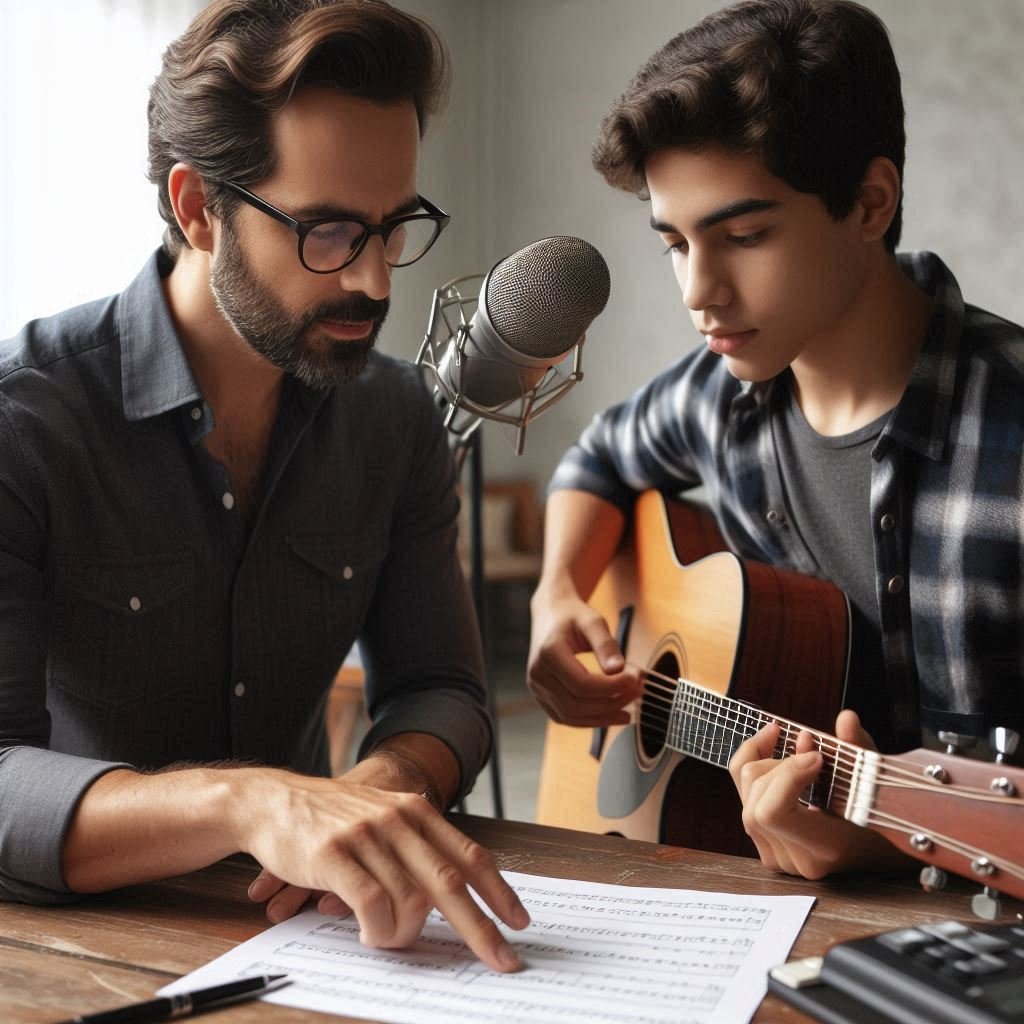
Unlike guitarists or pianists who can see their instruments, singers work with an instrument they cannot directly observe. This makes developing body awareness crucial to your progress. Your entire body contributes to your sound—from your breathing apparatus to your resonating chambers and articulation mechanisms.
Learning to sense what’s happening inside your body while singing takes time. Be patient as you develop this internal awareness. Eventually, you’ll recognize sensations associated with proper technique versus strain, allowing you to make adjustments without even needing a mirror or coach present.

The Courage to Be Vulnerable
Singing demands emotional vulnerability that few other art forms require. Your voice reveals your emotions in ways that can feel exposing, especially when working through technical challenges. This vulnerability is precisely what makes singing so powerful—it’s a direct connection between your innermost feelings and your audience.
Many accomplished vocalists still experience nervousness before performances. The difference is they’ve learned to channel that energy into their expression rather than allowing it to restrict their capabilities. Each time you practice being vulnerable with your voice, you strengthen both your emotional resilience and your artistic range.

Consistency Trumps Intensity
Progress in singing rarely follows a straight line. Some days, your voice will feel effortless and responsive. Other days, exercises that previously felt comfortable might seem challenging again. This inconsistency is normal and doesn’t reflect failure.
The singers who achieve lasting growth aren’t necessarily those with natural talent—they’re the ones who show up consistently. Fifteen minutes of focused daily practice often yields better results than sporadic three-hour sessions. Consistent practice builds the neural pathways and muscle memory essential for reliable technique.

Listen Actively, Not Critically
Developing critical listening skills is essential for improvement, but there’s an important distinction between analytical listening and self-criticism. When you record your practice sessions, listen for specific elements: pitch accuracy, breath support, resonance placement. Avoid making general judgments about whether your voice is “good” or “bad.”
This analytical approach keeps your practice sessions productive rather than discouraging. Instead of thinking, “I sound terrible,” try observations like, “I’m running out of breath before the end of phrases” or “My higher notes sound constricted.” These specific observations give you clear targets for improvement.

Find Your Community
While singing is often portrayed as a solitary pursuit, growth accelerates within a supportive community. Fellow singers understand the specific challenges you’re facing and can offer perspectives your non-musical friends might miss. They’ll celebrate breakthroughs that might seem small to outsiders but represent significant milestones in your development.
Our studio community includes singers across all experience levels, creating an environment where beginners can see living proof that consistent effort yields results. The encouragement and accountability that comes from these connections often makes the difference between someone who gives up and someone who perseveres.

Redefining Success
As you progress, you’ll discover that singing success isn’t measured solely by external validation or performance opportunities. The most rewarding aspects often include the joy of expression, the meditative quality of focused practice, and the satisfaction of overcoming challenges that once seemed insurmountable.
Set goals that honor your unique journey rather than comparing yourself to others. Celebrate when you master a difficult passage, when you discover a new color in your voice, or when you feel fully present during a performance. These personal victories matter just as much as audience applause.

Your Voice Matters
In a world filled with auto-tune and digital manipulation, authentic human voices carry special significance. Your voice—with all its distinctive qualities—has the power to move people in ways that perfect production never could. The slight imperfections and unique characteristics make your sound relatable and genuine.
Every time you step up to sing, you contribute something to the world that no one else can. That contribution has value regardless of whether you pursue singing professionally or simply for personal fulfillment.

Begin Your Journey Today
At our studio, we’ve created a space where new singers can explore their potential without judgment. Our experienced coaches understand both the technical and emotional aspects of vocal development, providing guidance tailored to your specific voice and goals.
Remember that every vocalist you admire once stood exactly where you are now—at the beginning of their journey, facing uncertainty but driven by passion. The only difference between them and those who never developed their potential is that they began and persevered through the challenges.
Your voice deserves to be heard. We’re here to help you discover what makes it special and develop the skills to share it with confidence. The journey begins with a single note—yours



Nice information